In the fast-paced modern world of Australia, many people struggle to find the time, energy, and inspiration to eat well. A healthy diet can help eliminate food-related guessing, save money, and improve long-term health. Whatever your goals—weight loss, more energy, or better nutrition—this Australian-friendly meal plan offers a balanced basis for good living.
Why a healthy meal plan matters
Developing a consistent, nutritious diet offers several advantages, including:
- Improved energy levels
- Better gastrointestinal condition
- Managing weight or attaining reasonable increases
- Reduced chance of a chronic disease
- Better mental clarity and emotional consistency
Every day, you will feel and perform better if you choose balanced meals, steer clear of too sugary and processed foods, and embrace fresh, seasonal Australian goods.
What makes a healthy meal plan in Australia?
A balanced Australian meal plan typically includes:
- Lean proteins – chicken breast, tofu, legumes, fish, and eggs
- Whole grains – such as rolled oats, quinoa, brown rice, and wholemeal bread
- Plenty of vegetables – including a mix of raw salads and cooked seasonal veggies
- Healthy fats – like avocados, extra virgin olive oil, seeds, and natural nuts
- Fresh fruit – for fibre and natural sweetness
- Dairy or dairy alternatives – milk, yoghurt, or fortified plant-based options
Another crucial component is hydration; try to avoid sugary drinks and sip 6 to 8 glasses of water daily.
A 7-day healthy meal plan (Australian style)
Based on fairly cost products available in most Australian stores, this meal plan suits meat eaters as well as vegans.
Day 1
- Breakfast: Chia seeds, banana slices, rolled oats topped with almond milk.
- Lunch: Rocket, cherry tomato, cucumbers, olive oil dressing, grilled chicken salad.
- Dinner: Brown rice, broccoli, capsicum, snow peas, and stir-fried tofu make up supper.
- Snack options: Greek yogurt with berries or dipping apple slices in peanut butter.
Day 2
- Breakfast: Crispy toast paired with fluffy eggs and a handful of wilted spinach.
- Lunch: Tuna, avocado, mixed green wrap.
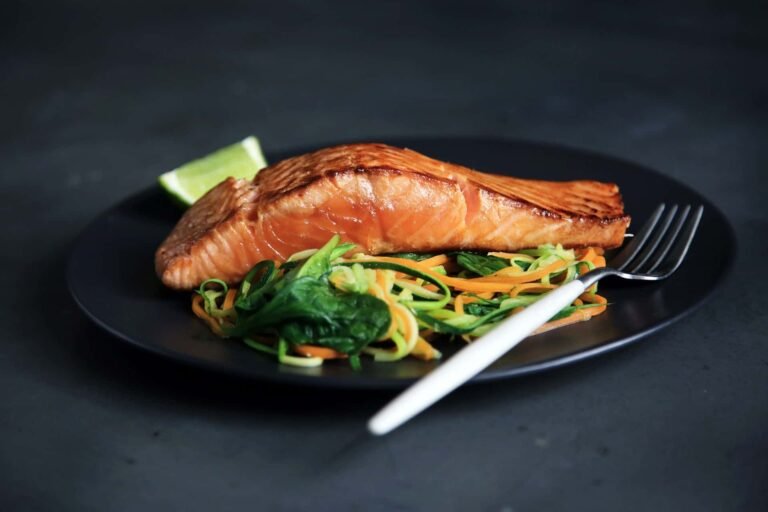
- Dinner: Supper calls for steamed green beans and baked salmon topped with sweet potato mash.
- Snack options: A handful of veggie sticks and mixed nuts, topped with hummus.
Day 3
- Breakfast: Smoothie with frozen mango, spinach, banana, and oat milk
- Lunch: Quinoa salad with chickpeas, cucumber, red onion, and lemon dressing
- Dinner: Wholegrain pasta with lean beef mince, tomato sauce, and grated zucchini
- Snack options: Boiled egg, protein bar (low sugar)
Day 4
- Breakfast: Greek yoghurt with granola and kiwi fruit
- Lunch: Grilled halloumi and roast veggie bowl with couscous
- Dinner: Brown rice topped with a fragrant chicken and vegetable curry
- Snack options: Rice cakes with avocado, low-fat cheese cubes
Day 5
- Breakfast: Smashed avo and perfectly poached eggs served on hearty wholegrain toast.
- Lunch: Leftover chicken curry or a turkey salad sandwich on wholegrain bread.
- Dinner: Grilled barramundi with quinoa and a mixed green salad.
- Snack options: Mandarin, roasted chickpeas.
Day 6
- Breakfast: Creamy Bircher muesli prepared overnight, topped with apple and spiced with cinnamon.
- Lunch: Zucchini and corn fritters with mixed salad and tzatziki.
- Dinner: Vegetarian stir-fry with tofu, soba noodles, and sesame oil.
- Snack options: Cottage cheese with pineapple, a few squares of dark chocolate (70 %+).
Day 7
- Breakfast: Protein smoothie with berries, oats, flaxseed, and protein powder.
- Lunch: Pumpkin soup with wholegrain toast and avocado on the side.
- Dinner: Savoury lamb cutlets alongside smooth cauliflower purée and steamed greens.
- Snack options: Trail mix (unsalted), carrot sticks with dip.
Tips for sticking to a healthy meal plan
- Prep ahead: Chop vegetables, cook grains, and store portions in advance.
- Shop smart: Focus on the edges of the grocery store to find the freshest foods.
- Cook in batches: Make large meals and freeze portions for busy days.
- Stay flexible: Swap meals around to suit your schedule or cravings.
- Add variety: Try new veggies, wholegrains, and herbs weekly to keep meals interesting.
Where to find healthy ingredients in Australia
Fresh produce, wholefoods, and health-focused snacks are available from:
- Woolworths and Coles (nationwide)
- Aldi (affordable and fresh options)
- Harris Farm Markets (NSW & QLD for quality produce)
- Local farmers’ markets and co-ops
- Health food stores like Go Vita or The Source Bulk Foods
Eating seasonal produce helps maintain a diverse diet that’s better for both your wallet and the environment.
Conclusion
A healthy meal plan in Australia is neither costly nor difficult in Australia. Stressing wholesome foods, fresh vegetables, and creative cooking will help you create habits supporting both mental and physical wellness. Whether your goal is to simply adjust your diet, be a student, a working mother, or anything else, this approach gives taste and flexibility to enable you to stay on target. Start small, keep regular, and make use of Australian-style, healthy cuisine.