Millions of people around the world experience anxiety, which can impact sleep, relationships, and activities of daily living. Natural anxiety supplements are often found in a broader self-care toolbox, along with therapy, professional help, and lifestyle changes. You are not alone in your quest for a natural, plant-based, or nutrient-based remedy to help ease your anxiety. This article will discuss some of the best natural supplements for anxiety, understand how they work, and things to consider prior to trying them.
Why do people choose natural remedies for anxiety?
Although prescription medications can be helpful, they are not for everyone. Side effects, addiction, and cost could lead some people to want to try other options. When done safely, natural supplements can be a milder form of anxiety relief, without the nasty experiences some medications can cause.
That said, it’s important to remember that “natural” is not always synonymous with safe for everyone. Always talk with your healthcare provider before trying a new supplement, especially if you are on medication or have other health concerns.
Best natural supplements for anxiety
Many people throughout the world utilize these well-researched solutions to keep their minds quiet and their feelings in check.
1. Ashwagandha
Ashwagandha is a natural herb known for its stress-relieving properties. Studies indicate it may help reduce cortisol, the body’s primary stress hormone, and ease general feelings of anxiety.
- Found in: Capsules, powders, and tinctures
- Best for: Chronic stress and burnout-related anxiety
2. Magnesium
Magnesium is important for keeping the neurological system in check. Not getting enough magnesium has been related to more anxiety and trouble sleeping.
- Found in: You can find it in forms like magnesium glycinate and magnesium citrate supplements.
- Best for: Feeling stressed, having tight muscles, and being restless.
3. L-theanine
L-theanine is a natural substance in green tea that helps you relax without putting you to sleep. It might help you focus and calm your mind.
- Found in: You can get it as pills or as relaxing teas.
- Best for: Stress in certain settings or social anxiety.
4. Rhodiola rosea
Rhodiola is another adaptogen that can help your body deal with stress and may make you feel better, have more energy, and pay more attention
- Found in: You can get it as pills or as a liquid extract
- Best for: Anxiousness and lack of motivation caused by being tired
5. Valerian root
Valerian root has been used for a long time to help people sleep. It also calms the nervous system.
- Found in: You can get it in the form of teas, pills, and tinctures
- Best for: People who have trouble sleeping at night or are anxious
6. Passionflower
This flowering plant might help you relax and sleep better by calming your nerves.
- Found in: Herbal drinks, pills, and drops
- Best for: Occasional bouts of anxiety paired with a mind that won’t slow down
7. Omega-3 fatty acids
Omega-3 fatty acids are good for your heart, brain, and mood. Some research suggests they may be effective in easing symptoms of anxiety.
- Found in: It is in both flaxseed oil and fish oil capsules
- Best for: Keeping your mind healthy and your mood stable
8. B-complex vitamins
B vitamins are important for keeping your brain healthy and working well. Low levels of B6 and B12 can be connected to problems with mental health.
- Found in: You can get them in B-complex or multivitamin tablets
- Best for: Helping with stress and giving emotional support
9. CBD Oil (Cannabidiol)
CBD, derived from the hemp plant, has gained popularity in the USA as a natural calming remedy. Early studies suggest it may reduce anxiety without the psychoactive effects of THC.
- Found in: Oils, gummies, capsules
- Best for: Generalized anxiety, sleep support
10. Chamomile
Chamomile tea is a traditional herbal remedy known for relaxation. Research suggests chamomile extract may reduce mild to moderate anxiety symptoms.
- Found in: Tea, supplements, tinctures
- Best for: Evening relaxation and mild anxiety
11. Lavender
Lavender is known for its calming properties and is often used in aromatherapy. There is clinical evidence that lavender oil capsules may help alleviate anxiety.
- Found in: Essential oils, capsules, teas
- Best for: Stress, restlessness, and nervous tension
12. Kava Root
Kava has been widely used for relaxation purposes in the cultures of the Pacific Islands. While some studies show that kava may help with anxiety, its safety profile (specifically with liver toxicity) recommends caution and a medical consultation before use.
- Found in: Teas, extracts, supplements
- Best for: Short-term anxiety relief
13. Probiotics and Gut Health
The gut and brain connection literature is emerging as research highlights an important link (the gut-brain axis). There is growing evidence that related to anxiety symptoms, poor gut health is an inhibitor to brain health. Stabilizing digestive symptoms may have implications for reducing anxiety symptoms with gut probiotic supplements.
- Found in: Yogurt, kefir, probiotic capsules
- Best for: People with digestive discomfort linked to anxiety
14. Zinc
Zinc is an essential trace mineral for brain function. Low zinc levels with anxiety and depression have been documented. Restoration to an adequate zinc balance is possible with supplementation.
- Found in: Zinc gluconate, zinc citrate
- Best for: Anxiety related to nutritional deficiencies
15. GABA (Gamma-aminobutyric acid)
GABA is a calming neurotransmitter. Some supplements are marketed to increase levels in the body, to encourage relaxation and calm. Research is ongoing, but many report reduced stress.
- Found in: Capsules, powders
- Best for: Tension and difficulty winding down at night
Different Forms of Supplements (How to Take Them)
There are several types of supplements for anxiety. The choice among these types will depend on preferences and lifestyle:
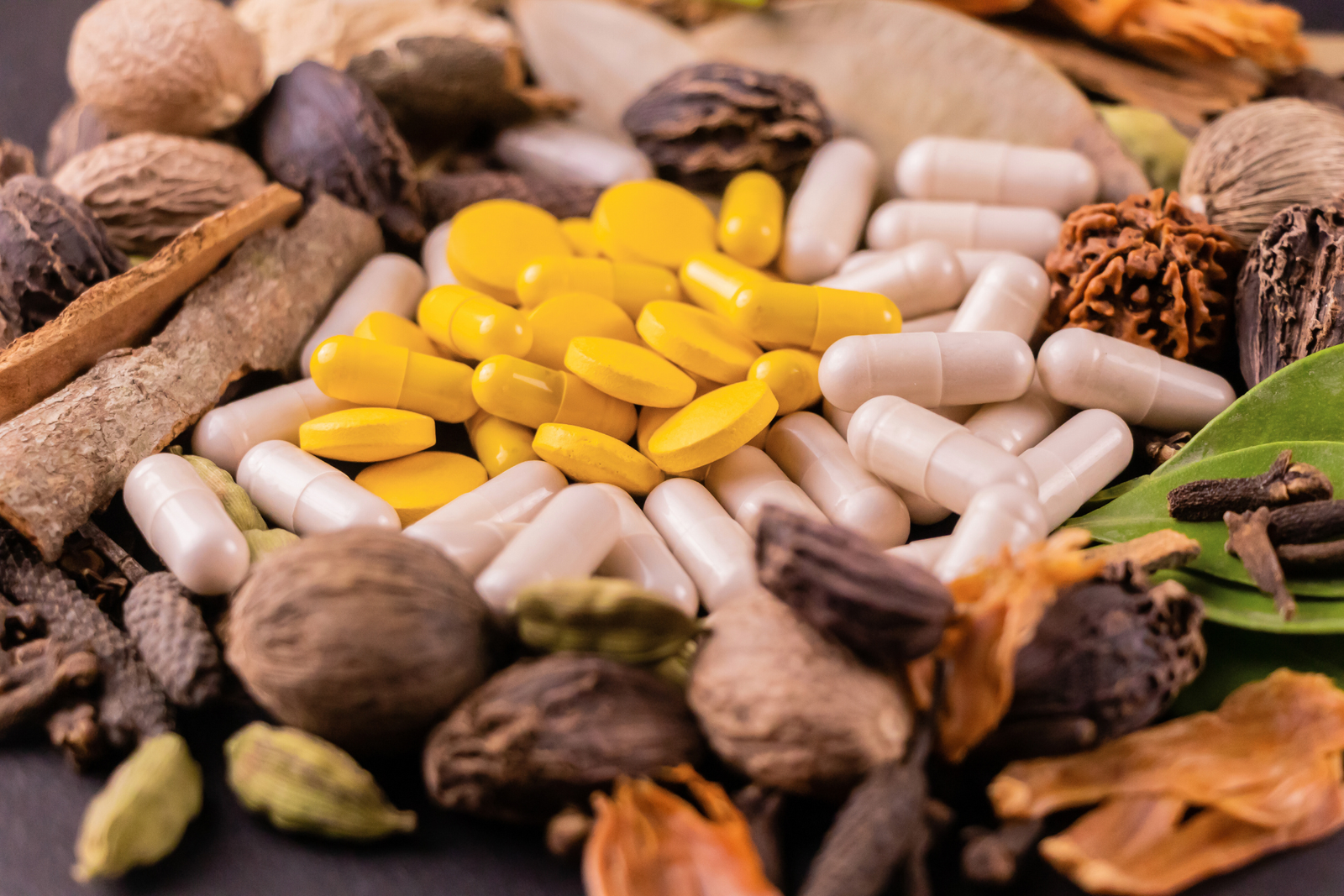
- Capsules/Tablets – easy, convenient, and can be measured.
- Teas – calming and soothing, especially in the evening.
- Tinctures/Drops – absorb quickly.
- Powders – mix with a smoothie or water.
- Gummies – allowed easily, but generally with less potency.
Scientific Evidence and Studies
Not every supplement has the same level of research. Here is a breakdown of available science:
- Strong evidence: Ashwagandha, magnesium, omega-3s, L-theanine.
- Moderate indications: Rhodiola, chamomile, lavender.
- Mixed or limited indications: Kava (safety issues), Gaba Supplements (limitations with absorption).
This information provides a rationale for why combining supplements with professional care tends to be the best option
Understanding How These Supplements Work
Each supplement has a different mechanism of action:
- Adaptogen (ashwagandha, rhodiola): Helps the body adjust to stress and thus anxiety.
- Neurotransmitter booster (magnesium, B vitamins, L-theanine): Supports the brain biochemistry.
- Herbal sedatives (valerian, passionflower, chamomile): Calming the nervous system.
- Nutrient (omega-3s): Good for longer-term brain health.
What to consider before using anxiety supplements?
Natural supplements can help, but they won’t fix everything. You should keep this in mind:
- Talk to a doctor first – especially if you are pregnant, taking medicine, or have a health problem.
- Check dosages carefully – Be careful with how much you take; more isn’t always better. Follow the instructions on the label.
- Buy from reputable brands – they have been examined by a third party to make sure they are safe and pure.
- Give it time – it may take weeks for natural therapies to work
Who Should Avoid Certain Supplements?
- Pregnant and breastfeeding women (safety not always established).
- People with liver or kidney issues (especially with kava or high-dose herbs).
- Children and teens (consult a pediatrician first).
- Those on prescription meds (risk of interactions).
The Role of Diet in Managing Anxiety
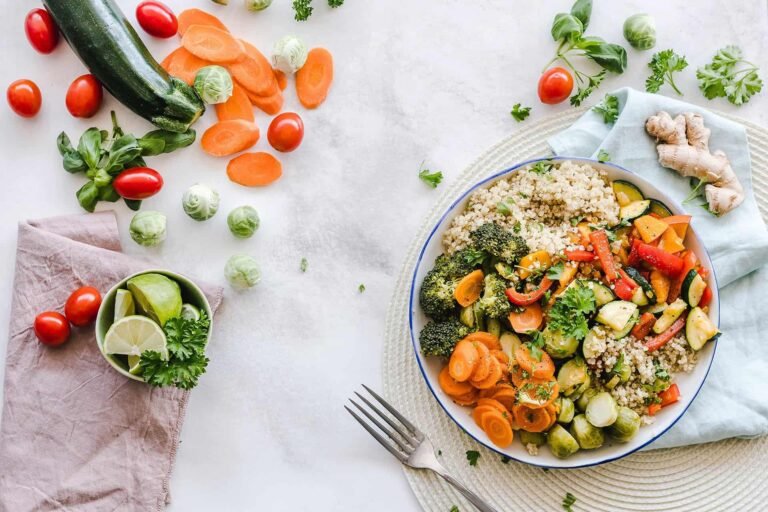
- Eat whole foods rich in vitamins and minerals.
- Reduce processed sugars, which can worsen mood swings.
- Include foods high in tryptophan (turkey, nuts, seeds) to boost serotonin.
- Stay hydrated — dehydration can increase anxiety symptoms.
Combining supplements with professional support
Supplements can work alongside:
- Therapy (including CBT, which teaches coping skills).
- Medication (some people try both under supervision).
- Mindful practices (like meditation or journaling).
Lifestyle tips to enhance the effects of supplements
Combining a vitamin with healthy activities has a large impact. These simple adjustments can help your body be more efficient:
- Try deep breathing or meditating every day.
- Try to go to bed and wake up at the same time each night to promote steady rest.
- Limit your alcohol, coffee, and other caffeinated beverages.
- Gentle movement, such as walking or yoga, may help your body unwind muscle tension.
- Keep in touch with your family, close friends, and any support systems you use.
The growing use of natural anxiety supplements in the USA
There is a worldwide uptick in the use of natural supplements, in the US in particular. Many average Americans are now turning to plant-based remedies for many different ailments, and all this is resulting in a billion-dollar industry that sells supplements. Natural supplement products for anxiety and stress are sold in health stores, corner pharmacies, health food stores, and in at least some of the bigger, mainstream supermarket chains.
Conclusion
Natural supplements for anxiety are an easy and gentle way for people to cope with stress and anxiety. They offer a natural method for improving your mental health over time, or just helping you cope with stress from day to day.
Remember: No natural supplement can replace talking to someone, self-care, or talking to a professional, but they certainly help you get to a better health state.